
elow is a polished English version, suitable for a press release or overseas corporate news page.
Tengjida Releases Usage Guidelines for Robotic Arm Protective Covers, Standardizing Maintenance to Help Factories Cut Costs and Boost Efficiency
Recently, addressing widespread industry pain points such as improper use of protective covers and excessively fast wear and tear at industrial sites, Tengjida released six key precautions for the use of robotic arm protective covers. The guidelines are designed to help manufacturers establish standardized maintenance procedures for robot protective covers, reduce unnecessary wear, and safeguard the safe operation of automated equipment.
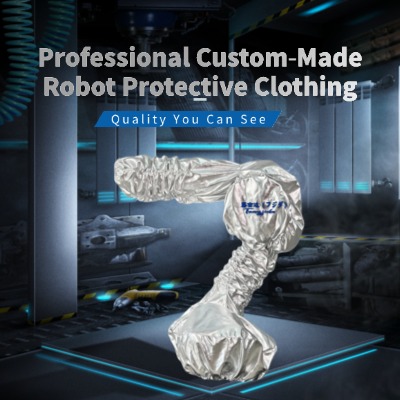
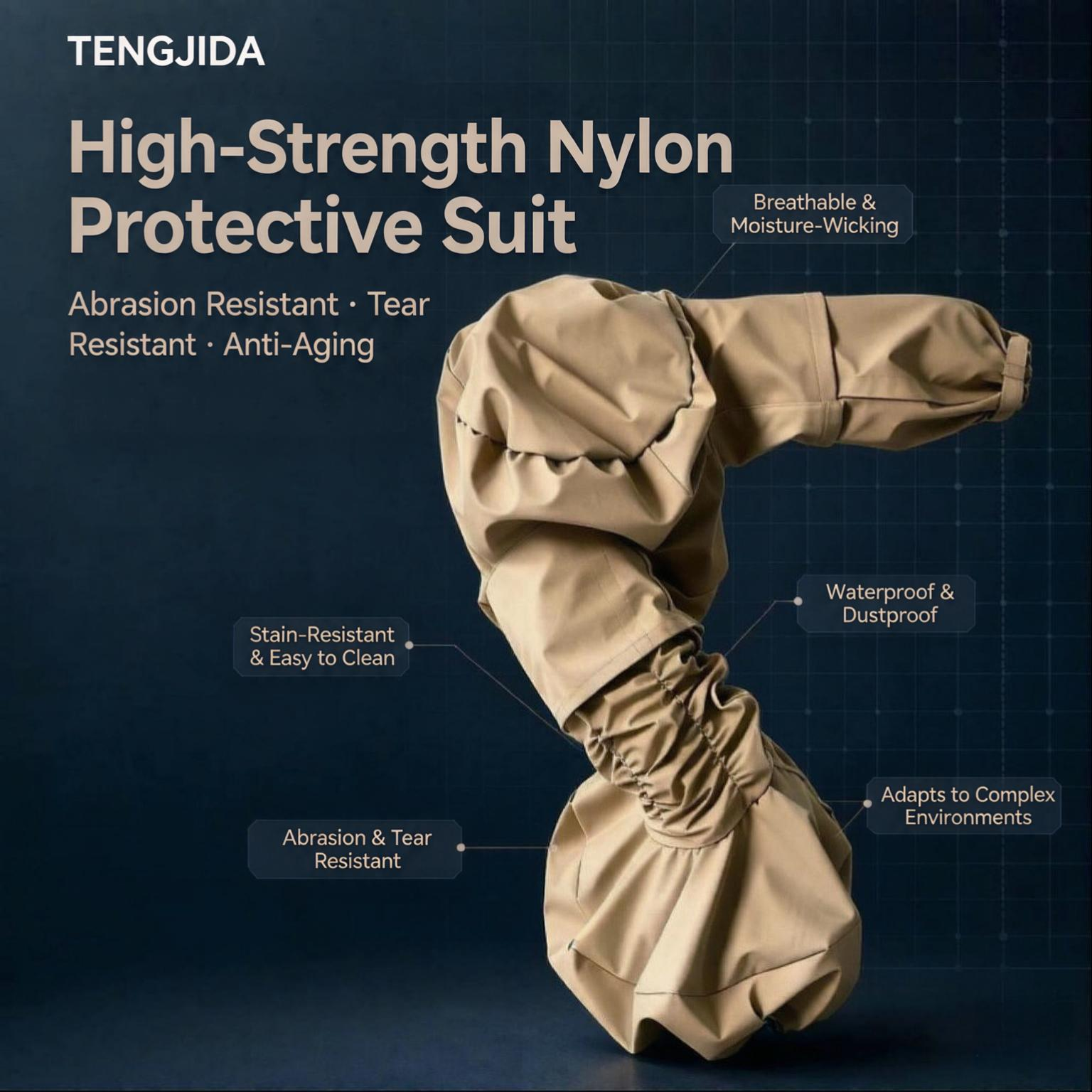
In automotive manufacturing, 3C (computer, communication and consumer electronics) processing, and hardware welding and painting workshops, robotic arm protective covers are a critical component for protecting industrial robots. Many factories report short service lives, with frequent problems such as cracking and burn damage. Apart from operating conditions, most of these issues stem from non-standard practices in daily use and storage.
The guidelines released by Tengjida cover six points: inspecting cover integrity before installation, avoiding scratches from sharp objects, cleaning promptly after operation, prohibiting use in over-temperature environments, replacing damaged parts on a regular schedule, and cleaning and drying covers before long-term storage when idle. Together, they span the full life cycle from installation and operation to storage.
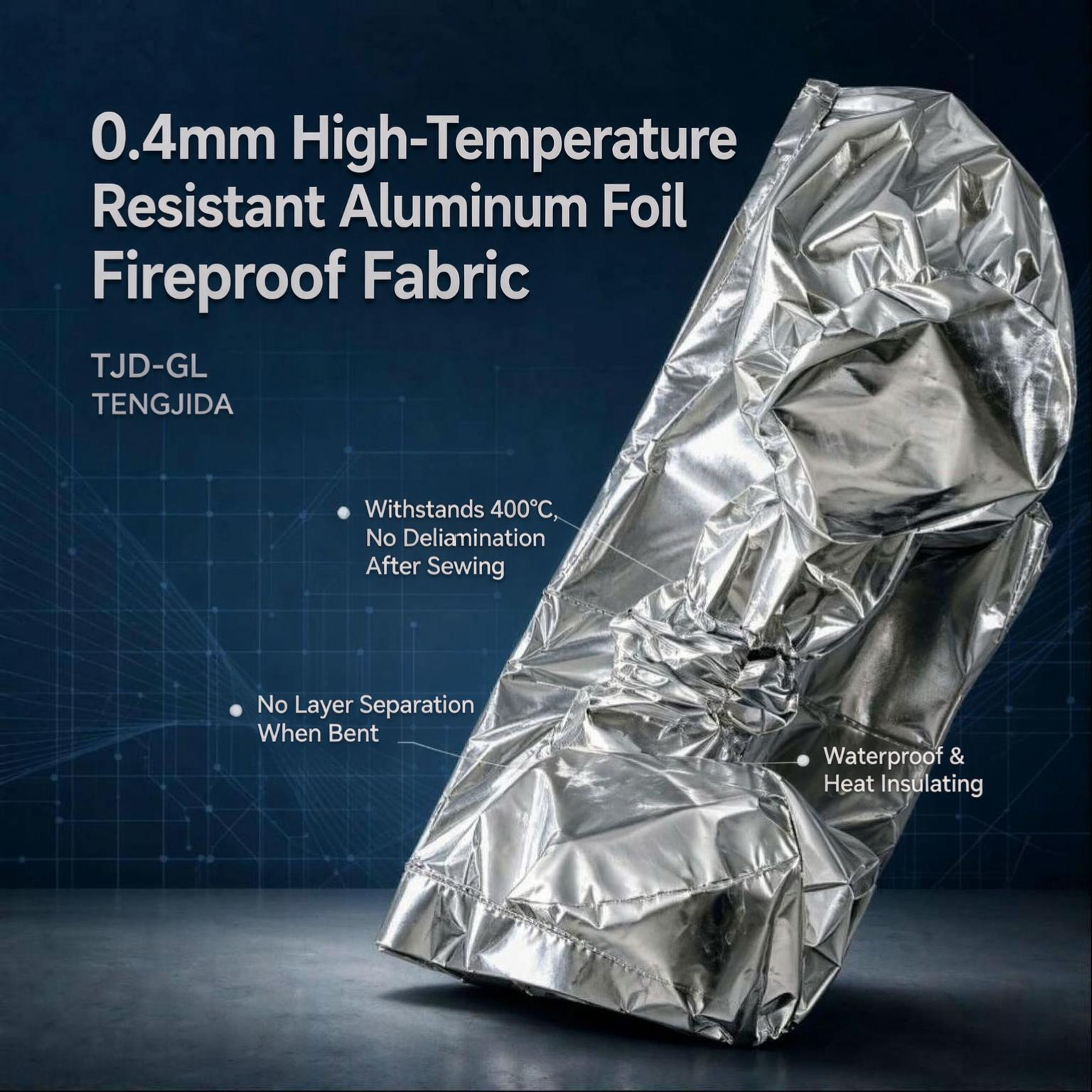
Tengjida noted that protective covers are not simply one-off consumables — proper use and care can maximize the performance of the fabric. Even high-performance materials such as aramid, TPU and three-proof fabric (water-, oil- and stain-repellent) will fail quickly if subjected to prolonged over-temperature operation, continued use while damaged, or damp, piled-up storage.
As a service provider focused on robot safety protection, Tengjida not only supplies customized robotic arm protective covers, but also provides partner customers with a complete set of technical services covering working-condition selection, installation guidance and daily maintenance. Going forward, the company will continue to distill hands-on field experience and issue more practical industry guidance to support safe, efficient production on smart manufacturing lines in China.